C3 Scott Inc. — Marine Construction
Dominant Driven Pile Systems
for Coastal NC Structures
⚙ Mechanical Pile Driving — Superior Depth & Bearing Capacity
The structural foundation of every dock, seawall, and waterfront structure C3 Scott builds. When the pile is driven right, everything built on top of it lasts.
What’s Beneath Your Dock
Get a Quote For Your Project
Willie (336) 816-8170
Cody (252) 241-3272
25+ Years Combined Experience
Licensed and Insured
Locally Owned – Swansboro, NC
Free Estimates
The Foundation of Every Lasting Waterfront Structure
Every dock, seawall, bulkhead, and pier that C3 Scott Inc. builds starts the same way — with piles driven correctly into the earth. It is the single most consequential act of marine construction, and the single most common place where contractors who cut corners create structures that fail under the first serious storm. C3 Scott’s driven pile system in NC uses mechanical pile driving equipment to set each pile to the precise depth and bearing resistance your structure demands — not the depth that was fastest or cheapest to reach.
The Crystal Coast and Carteret County waterways present some of the most challenging soil conditions for waterfront construction in North Carolina. Soft, unconsolidated sediments, high water tables, varying organic layers, and the dynamic loading of tidal forces and storm surge all demand a pile installation method that achieves genuine structural bearing — not just placement. That is the difference between pile driving marine construction done with mechanical equipment and the shortcuts that look adequate until they are not.
As a locally owned marine contractor with over 25 years of combined experience building and repairing waterfront structures throughout Carteret County, C3 Scott has seen exactly what happens when piles are not driven to proper depth. We have replaced prematurely failed structures built by contractors who jetted rather than drove, used undersized equipment that could not reach bearing, or simply estimated depth rather than verifying it. We do none of those things — on any project, at any price point.
The pile is the promise. Every board, beam, and bolt installed above a pile is only as good as the pile beneath it. A beautiful new dock on poorly driven pilings is not a dock that will last — it is a dock that is already in the early stages of failure. C3 Scott drives every pile as if the structure’s entire service life depends on it. Because it does.
Why Driven Piles Outperform Every Alternative
There are several methods contractors use to install marine piles, and they are not equal. Understanding the differences helps property owners on the Crystal Coast make informed decisions when selecting a marine contractor — and recognize the warning signs of inadequate pile installation methods before signing a contract.
Factor
Driven Piles (C3 Scott Method)
Jetted Piles
Installation Method
Mechanical hammer drives pile to bearing resistance; soil is compacted around pile as it advances
High-pressure water stream fluidizes soil; pile sinks by gravity or light force
Soil Compaction
Surrounding soil is densified, increasing skin friction along the full embedded length
Surrounding soil is disturbed and loosened, reducing skin friction significantly
Bearing Depth Verification
Pile is driven to refusal — verified by resistance to continued driving force
Depth is estimated; no verification that bearing layer has been reached
Lateral Load Resistance
Superior — dense soil contact along full embedded length resists lateral (storm surge) forces
Inferior — loosened surrounding soil provides minimal lateral resistance
Storm Surge Performance
Structures built on properly driven piles have dramatically better hurricane survival rates
Elevated risk — loosened soil can settle or shift, causing pile movement over time
Long-Term Settlement
Minimal — pile is at bearing from day one; surrounding soil remains compacted
Yes — typically General permit for smaller residential projects
Equipment Required
Mechanical pile hammer and barge or platform — requires skilled operator and proper equipment
Water pump and hose — lower equipment investment, accessible to unqualified contractors
What to ask any marine contractor: “Do you drive piles or jet them?” If the answer is jetting, ask why. In soft coastal NC soils, jetting is faster and cheaper for the contractor — but it is the property owner who pays the price when the structure underperforms in the first major storm. C3 Scott uses mechanical driven pile systems in NC on every project because structural integrity is not a place to compromise.
How C3 Scott’s Pile Driving Process Works
Understanding the pile driving marine construction process helps property owners know what to expect during their dock or seawall installation — and understand why the investment in proper pile driving pays for itself many times over in the life of the structure. Here is how C3 Scott approaches every pile installation project on the Crystal Coast:
1
Site Assessment & Soil Evaluation
Before a single pile is positioned, C3 Scott evaluates the waterway, water depth, tidal range, and the soil profile at your specific site. Carteret County soils vary significantly from location to location — from sandy shoals to organic muck layers to firmer clay substrates — and each soil profile requires a tailored approach to pile specification and driving depth targets.
2
Pile Selection & Material Specification
C3 Scott specifies the correct pile material, diameter, and length for your structure type, loading requirements, and site conditions. For dock pile installation on the Crystal Coast, this typically means CCA-treated timber piles in diameters and lengths appropriate to water depth and deck loading. For seawall applications, vinyl or steel sheet pile is specified based on water energy and expected service life.
3
Equipment Positioning & Layout
C3 Scott’s pile driving equipment is positioned on a barge or work platform and precisely located for each pile location per the approved dock or seawall layout. Pile spacing, alignment, and orientation are marked and verified before driving begins. Precision in layout is just as important as precision in depth — a pile that is properly driven but incorrectly positioned creates structural misalignment that compounds over the life of the structure.
4
Pile Driving to Refusal
Each pile is driven using mechanical hammer impact until it reaches refusal — the point at which the pile stops advancing meaningfully under sustained driving energy. Refusal indicates that the pile has reached a soil layer with sufficient bearing capacity to support the intended structural load. C3 Scott does not drive to a predetermined depth and stop — we drive to verified bearing resistance, because depth alone without bearing confirmation is not structural integrity.
5
Plumb Verification & Cutoff
Once each pile reaches refusal, it is checked for plumb (vertical alignment) and cut to the correct elevation above the mudline or waterline as required by the structural design. Proper pile plumb ensures that structural loads are transferred vertically through the pile to the bearing layer without inducing eccentric loading that reduces capacity and accelerates deterioration.
6
Framing, Connection & Superstructure
With the pile system established, framing members are connected to the pile heads using marine-grade hardware appropriate to the saltwater environment. Framing, decking, seawall cap beams, and all superstructure elements are then installed on the foundation that the driven pile system provides. When the foundation is right, everything above it performs correctly for the life of the structure.
Pile Types C3 Scott Installs on the Crystal Coast
The right pile material for any given waterfront structure depends on the application, the water environment, the expected service life, CAMA requirements, and the structural demands of the project. As specialists in pile driving marine construction throughout Carteret County, C3 Scott works with the full range of pile materials available for coastal NC applications and recommends the correct specification for every project during the free estimate.
Most Common
CCA-Treated Timber Pile
The standard choice for residential dock pile installation on the Crystal Coast. Available in a range of diameters and lengths, pressure-treated to AWPA UC4B or UC4C standards for ground contact and fresh or salt water immersion.
Seawall
Vinyl Sheet Pile
The dominant choice for bulkhead and seawall applications in Carteret County. Driven to continuous sheet wall configurations using interlocking profiles. Impervious to rot, marine borers, and saltwater corrosion.
Bulkheads, seawalls, retaining structures • 40–75+ yr lifespan
Heavy Duty
Steel Sheet Pile
For commercial marine structures, heavily loaded retaining applications, and situations requiring maximum lateral resistance. Higher initial cost but superior structural capacity where vinyl is insufficient.
Premium
Composite & Fiberglass Pile
Engineered composite piles offer immunity from rot and marine boring organisms at a higher upfront cost. Increasingly specified for structures where long service life and minimal maintenance are prioritized over initial material cost.
Cobcrete
Precast Concrete Pile
Used in commercial and heavy-structural applications where timber capacity is insufficient and permanent load-bearing requirements are elevated. Common in larger marina and commercial pier construction along the NC coast.
Specialty
Aluminum Sheet Pile
Lighter weight than steel and more corrosion-resistant in freshwater and low-salinity environments. Used in bulkhead and retaining applications on inland waterways and lower-salinity creek sites in Carteret County.
Understanding Crystal Coast Soil Conditions for Pile Driving
One of the most valuable assets C3 Scott brings to every dock pile installation on the Crystal Coast is firsthand knowledge of the soil conditions found in Carteret County waterways. These conditions vary dramatically from site to site and directly determine the required pile penetration depth, the pile type and diameter specification, and the driving energy needed to reach bearing. Understanding your site’s soil profile is not optional — it is the foundation of a correctly engineered pile specification.
Soil Type
Common Crystal Coast Locations
Pile Depth Implication
Driving Characteristic
Loose Fine Sand
Shoal areas, inlet-adjacent sites, shallow canal lots
Deep penetration required — 12 to 16+ ft below mudline for adequate skin friction
Pile advances relatively easily; refusal may be at significant depth requiring longer piles
Soft Organic Silt / Muck
Marsh-adjacent lots, back-bay areas, upper creek sites
Very deep penetration required — pile must pass through organic layer to mineral bearing below
Little resistance through organic layer; distinct refusal when mineral soil is reached; critical to not stop in organic zone
Dense Fine Sand
Sound-front properties, higher-energy shorelines
Moderate depth — 8 to 12 ft below mudline often achieves adequate bearing in dense sand
Progressive resistance increase; clear refusal achievable at moderate depth with proper driving energy
Sandy Clay Mix
Canal lots, protected creek sites, interior waterways
Moderate to deep — 10 to 14 ft depending on clay content and consistency
Moderate resistance; good skin friction in cohesive soils; refusal typically well-defined
Shell Marl or Calcareous Layer
Down East locations, older estuarine deposits
Can provide early bearing at shallower depth if layer is continuous and competent
Sudden sharp refusal when shell layer contacted; must verify layer continuity before accepting shallow pile
C3 Scott’s site assessment process incorporates our accumulated knowledge of these soil profiles throughout Carteret County, combined with visual observation of conditions encountered during actual driving. We do not guess at soil conditions — we read them from the pile’s behavior as it advances, and we adjust our approach in real time when site conditions differ from expectations.
Why C3 Scott’s Pile Driving Capability Is a Competitive Advantage
The ability to perform genuine pile driving marine construction with mechanical equipment — not jetting, not hand-setting, not improvising with underpowered tools — is a meaningful differentiator among marine contractors serving the Crystal Coast. Not every contractor on the waterway has the equipment, the experience, or the commitment to do pile installation correctly. C3 Scott does, on every project, regardless of size.
⚙️ Purpose-Built Equipment
C3 Scott operates dedicated pile driving equipment designed for the work — not general construction tools pressed into service. The right equipment achieves the driving energy needed to reach bearing in the variable soil conditions found throughout Carteret County waterways.
🧠 25+ Years of Soil Knowledge
We know Carteret County soils. We have driven piles in the sandy shoals of Bogue Sound, the soft organics of back-bay marshes, the varied substrates of White Oak River tributaries, and the canal lots of Swansboro and Cape Carteret. That accumulated knowledge informs every pile specification we make.
📋 Driven to Refusal, Every Time
C3 Scott does not stop driving when it becomes inconvenient. We drive every pile to verified bearing resistance — refusal — regardless of how deep that takes us. If the bearing layer is at 14 feet, we drive to 14 feet. Our reputation depends on structural performance, not on how fast we finished.
🏠 Locally Accountable
The Scott family lives and works in this community. When a structure C3 Scott builds encounters a major storm, we know the people whose property it was protecting. That accountability shapes how we drive every pile — we build for the storms that are coming, not just the inspections that happen before they arrive.
🛡️ Licensed & Insured
C3 Scott Inc. is a fully licensed general contractor and fully insured for all marine construction including pile driving operations. When you hire a pile driving contractor, licensing and insurance are non-negotiable protections for your property and your liability exposure.
🔍 Honest Pile Assessment
Before any replacement piling is driven, C3 Scott assesses existing pilings to determine which are failing and which retain sufficient capacity. We do not drive unnecessary piles to inflate a work order, and we do not skip piles that need replacement to reduce project cost. We tell you what the structure needs — honestly.
Applications: Where C3 Scott’s Driven Pile System Is Used
Every major structure C3 Scott builds incorporates our driven pile system in NC. The pile is the structural foundation of every project — and the quality of that foundation determines how well everything above it performs for the life of the structure. Here is where pile driving marine construction is critical throughout Carteret County:
New Dock Construction
Every residential and commercial dock C3 Scott builds is founded on properly driven timber piles. Driven to verified bearing depth, these pilings provide the lateral resistance against surge and wave loading that separates a dock that survives hurricanes from one that does not.
Dock Pile Replacement
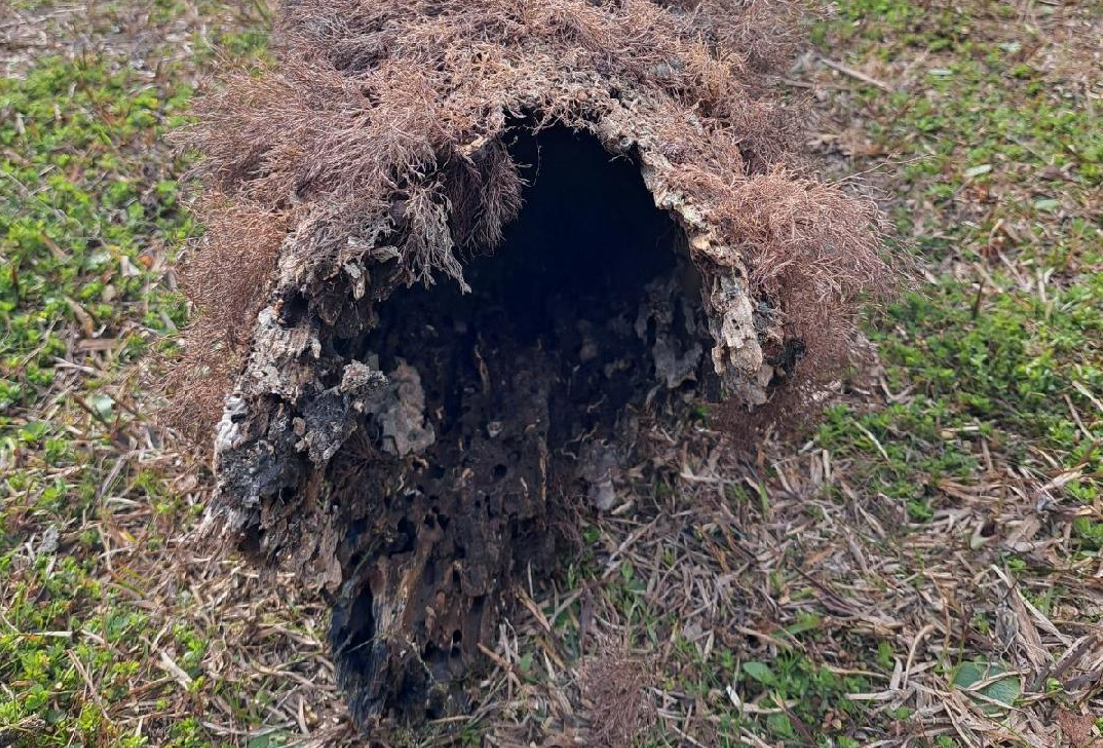
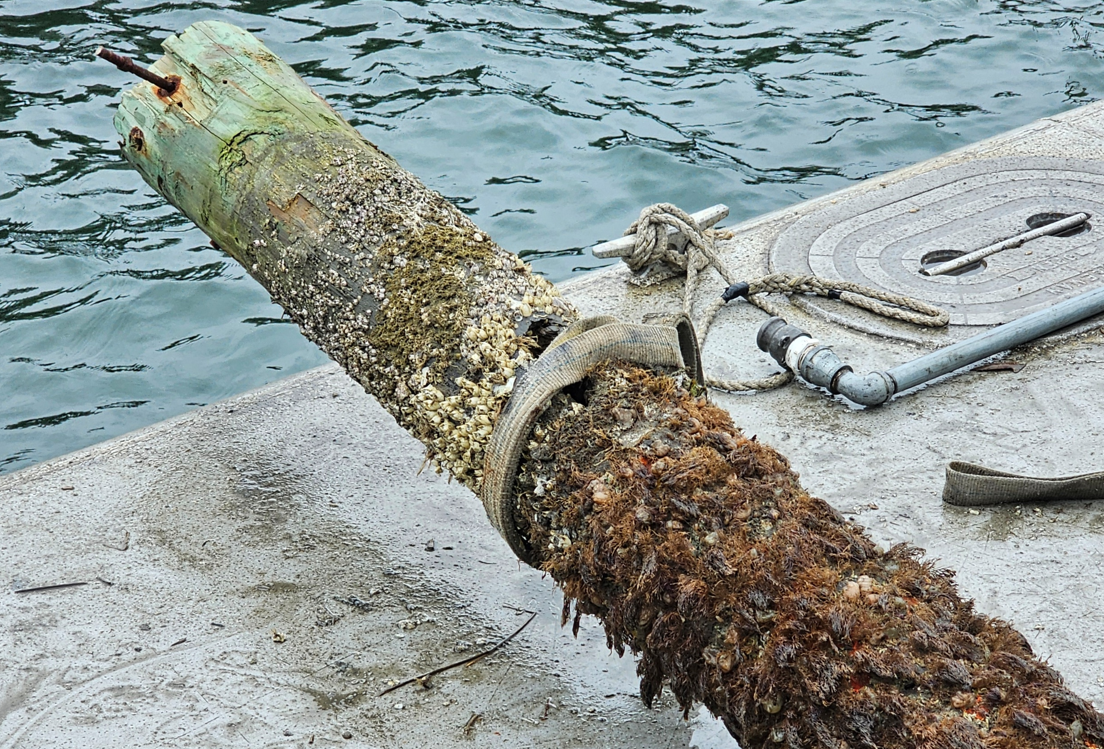
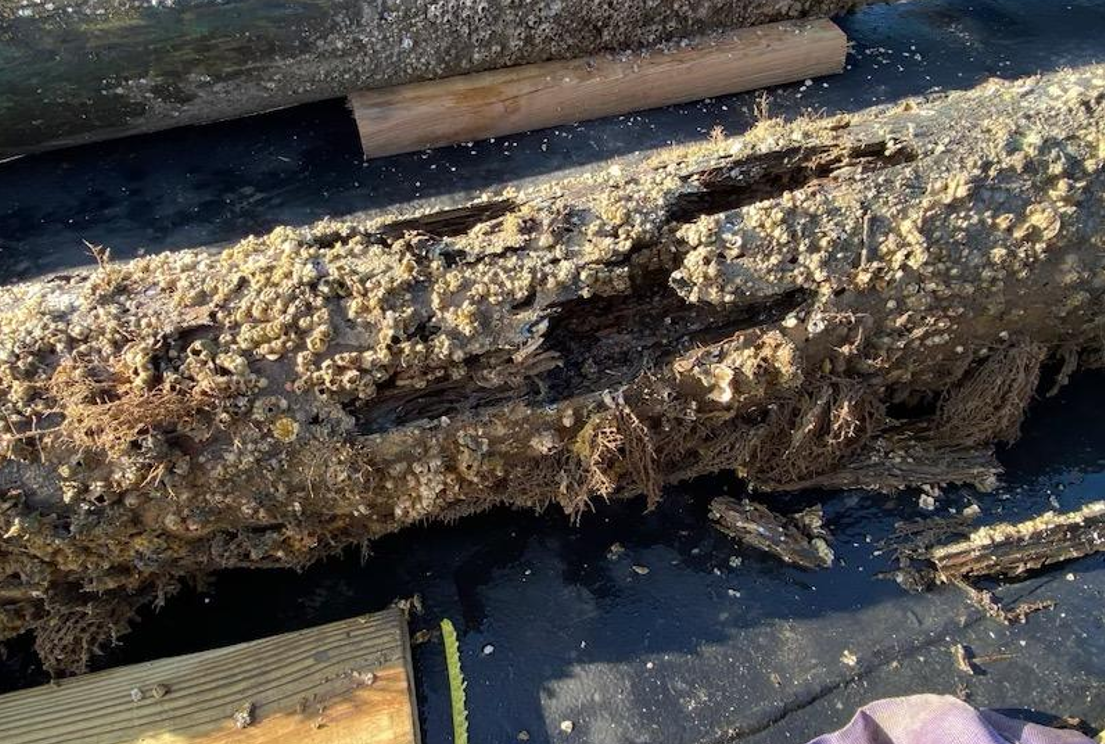
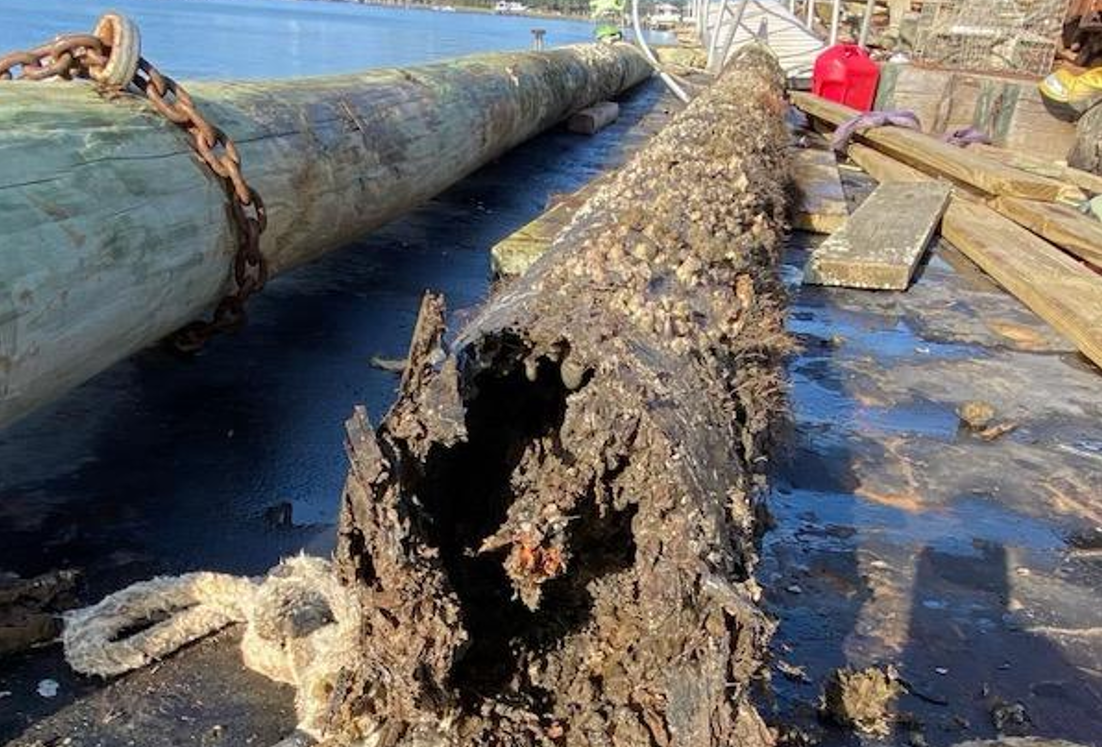
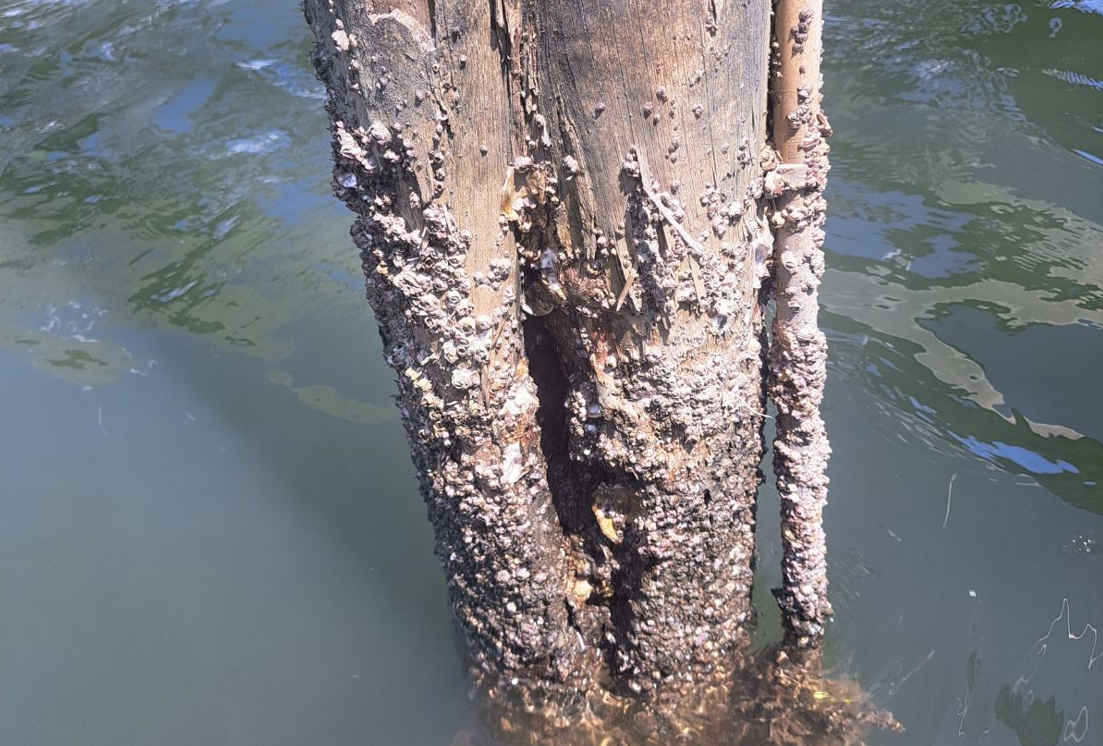
When existing dock pilings have failed from marine borer attack, rot, or storm damage, C3 Scott drives replacement pilings to the same structural standard as new construction. Replacement piling work done with hand tools or jetting simply recreates the original problem.
New Dock Construction
Every residential and commercial dock C3 Scott builds is founded on properly driven timber piles. Driven to verified bearing depth, these pilings provide the lateral resistance against surge and wave loading that separates a dock that survives hurricanes from one that does not.
Boat Lift Piling Installation
Boat lift systems impose concentrated structural loads on a small number of pilings. Those pilings must be driven to bearing depth capable of supporting both the static weight of the vessel and the dynamic shock loads of lowering and raising. C3 Scott drives boat lift support pilings to the same standard as all structural piling work.
Pier & Commercial Structure
Larger pier structures, commercial dock facilities, and marina construction throughout the Crystal Coast region require the structural capacity that only driven piles can provide. C3 Scott has experience with both residential and larger-scale pile driving projects throughout Carteret County and surrounding areas.
Storm Damage Restoration
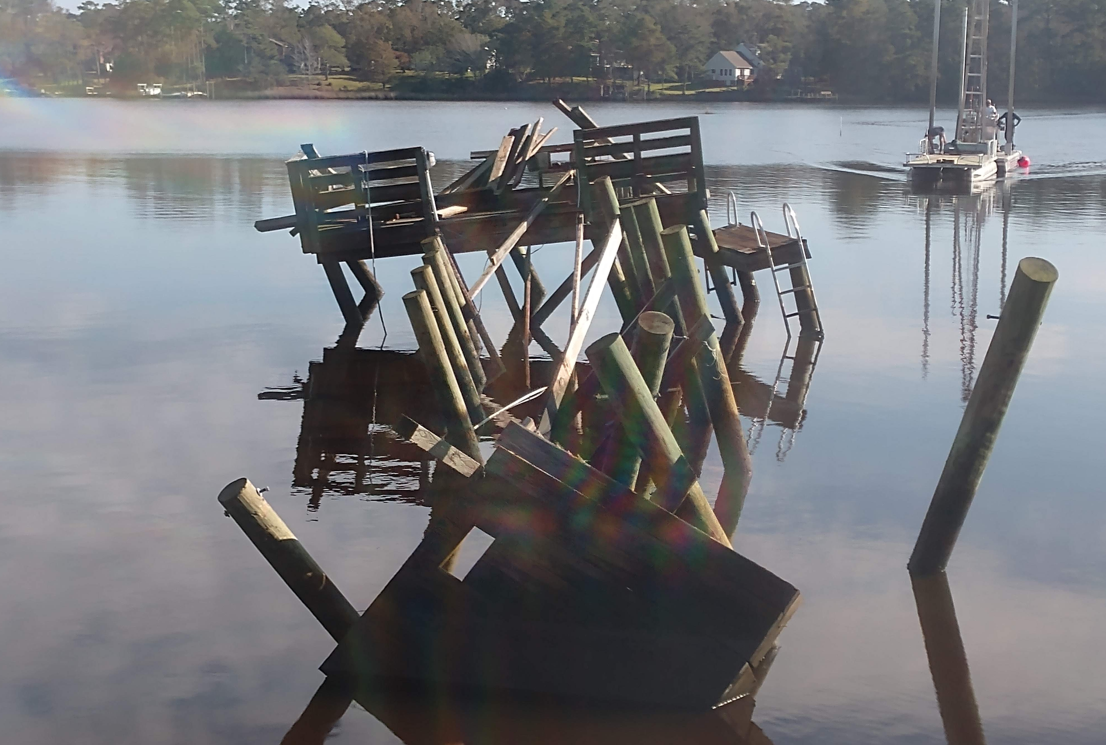
Post-hurricane piling replacement is one of the most common services C3 Scott provides in Carteret County. When storm surge has displaced, sheared, or undermined piles, replacement with properly driven new pilings is the only way to restore a structure’s intended structural capacity and storm resistance.
Pile Driving Standards & CAMA Requirements in NC
Marine construction in North Carolina, including driven pile systems in NC, is governed by a combination of CAMA regulations, NC Building Code requirements, and USACE (US Army Corps of Engineers) permitting for work in navigable waters. C3 Scott operates in full compliance with all applicable regulations on every project throughout Carteret County and the Crystal Coast.
Pile Driving Standards & CAMA Requirements in NC
Marine construction in North Carolina, including driven pile systems in NC, is governed by a combination of CAMA regulations, NC Building Code requirements, and USACE (US Army Corps of Engineers) permitting for work in navigable waters. C3 Scott operates in full compliance with all applicable regulations on every project throughout Carteret County and the Crystal Coast.
Pile Treatment Standards
Timber piles used in marine construction in NC must meet AWPA (American Wood Protection Association) treatment standards for the intended exposure class. For piles in marine salt water or fresh water immersion, UC4C treatment is required — a higher retention level than the UC4B commonly used for ground contact applications. C3 Scott specifies and procures timber piles that meet the correct AWPA standard for the specific waterway conditions at your Crystal Coast site.
Setback and Riparian Requirements
CAMA regulations establish setback requirements from property lines, navigational channels, and adjacent riparian owners for all waterfront structures including dock pilings. C3 Scott reviews these requirements during the site assessment and ensures that all pile placement is in compliance with applicable setbacks before driving begins. Driving piles outside permitted setbacks can result in mandatory removal at the property owner’s expense.
Compliance from day one. C3 Scott never asks a client to proceed without the correct permits, and we never position piles in locations that create regulatory risk. Compliance is not a burden for us — it is the framework within which quality construction is done. Every dock pile installation on the Crystal Coast we complete is properly permitted, correctly located, and built to last.
Pile Driving Is the Foundation — Here Is What We Build on Top
C3 Scott’s driven pile system in NC is the structural foundation that every other marine construction service we provide depends on. Our pile driving capability makes us a complete waterfront contractor — one who controls the quality of the most critical structural element from the very beginning of every project.
🏗️ Dock Installation
New dock construction throughout Carteret County built on properly driven timber piles.
🧱 Seawall Construction
Driven vinyl and concrete sheet pile seawalls and bulk heads for Crystal Coast properties.
🔧 Dock Repair
⚓ Boat Lift Installation
Recent Projects
C3 Scott’s driven pile system in NC is the structural foundation that every other marine construction service we provide depends on. Our pile driving capability makes us a complete waterfront contractor — one who controls the quality of the most critical structural element from the very beginning of every project.
C3 Scott Inc
C3 Scott Inc
C3 Scott Inc
C3 Scott Inc
C3 Scott Inc
C3 Scott Inc
C3 Scott Inc
C3 Scott Inc
C3 Scott Inc
C3 Scott Inc
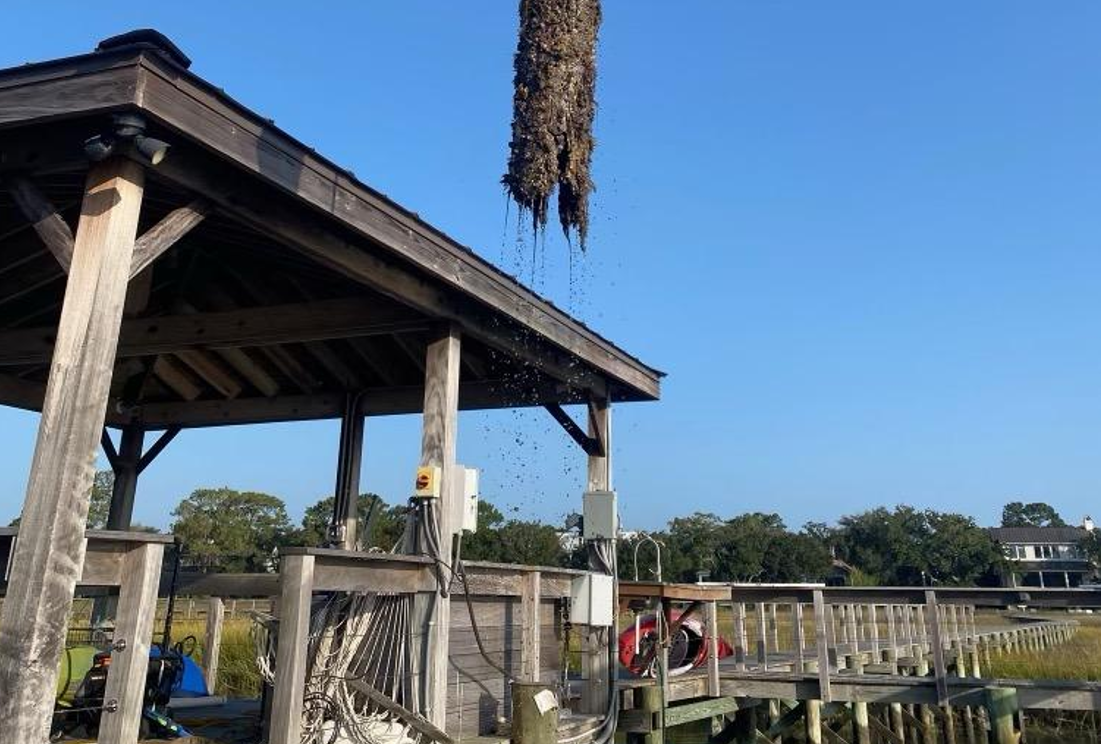
C3 Scott Inc
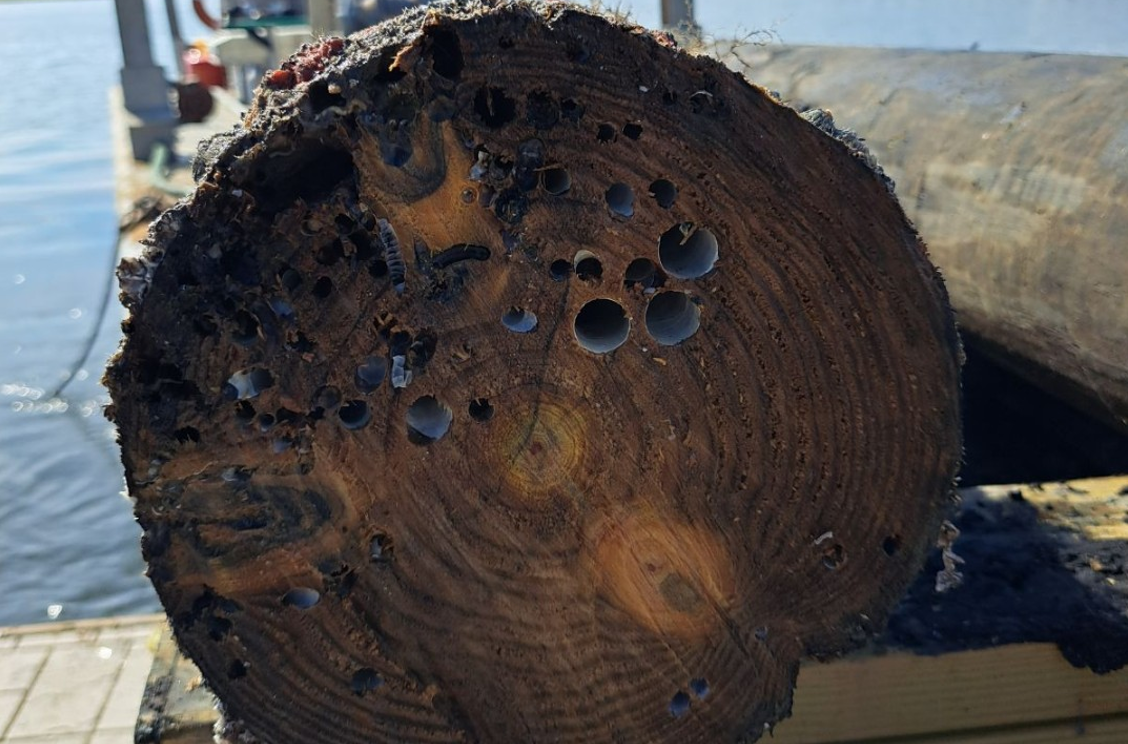
C3 Scott Inc
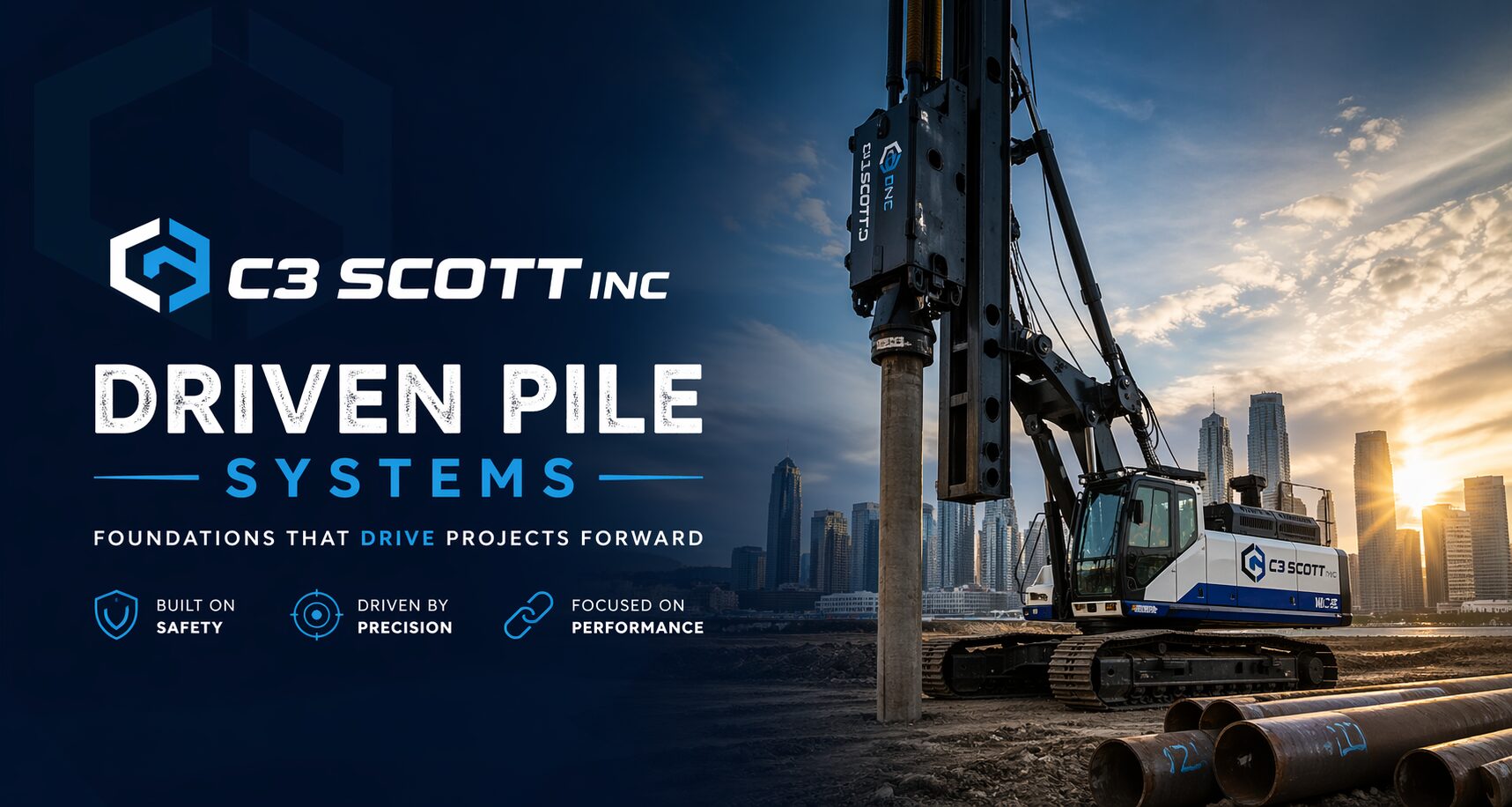
C3 Scott Inc
Driven Pile Services Across the Crystal Coast
C3 Scott Inc. provides driven pile system services for dock construction, seawall installation, pier construction, and structural pile replacement throughout Carteret County and the surrounding Crystal Coast communities. Our barge-mounted pile driving equipment accesses waterfront sites throughout the region — from canal lots in Swansboro to sound-front properties in Beaufort to back-bay sites in Down East NC.
Swansboro
Atlantic Beach
Bogue Sound
Peletier
Morehead City
Pine Knoll Shore
Harkers Island
Hubert
Emerald Isle
Cedar Point
White Oak River
Indian Beach
Beaufort
Cape Carteret
ICW
Sneeds Ferry
Newport
Stella
Eastern NC
Not certain we cover your area? Call us. The Scott family has built and repaired seawalls and bulkheads throughout Eastern NC, and we are always willing to discuss projects just outside our primary service zone.
Build Your Waterfront Structure on a Foundation That Lasts
Contact C3 Scott Inc. for a free, no-obligation estimate on driven pile systems for dock construction, seawall installation, or structural pile replacement anywhere in Carteret County or along the Crystal Coast.
Cape Carteret, NC
Frequently Asked Questions About Driven Pile Systems in NC
Technical and practical questions about pile driving marine construction on the Crystal Coast — answered clearly by the contractors who do this work every day in Carteret County.
What is a driven pile system and why does it matter for dock construction?
How deep do driven piles need to go in coastal NC soil?
Why is driven pile installation better than jetting for NC docks?
What type of piles does C3 Scott install?
Do I need a permit for pile driving in NC?
How long does pile driving take for a typical residential dock?
Contact Us
Address
Cape Carteret, NC
Email & Phone
Willie Scott | Project Manager
(336) 816-8170
(252) 241-3272
Business Hours:
M-F: 8:00am - 5:00pm
Sat: 8:00am - 12:00pm
Sun: Closed